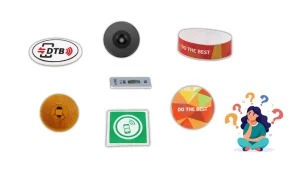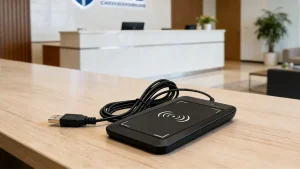
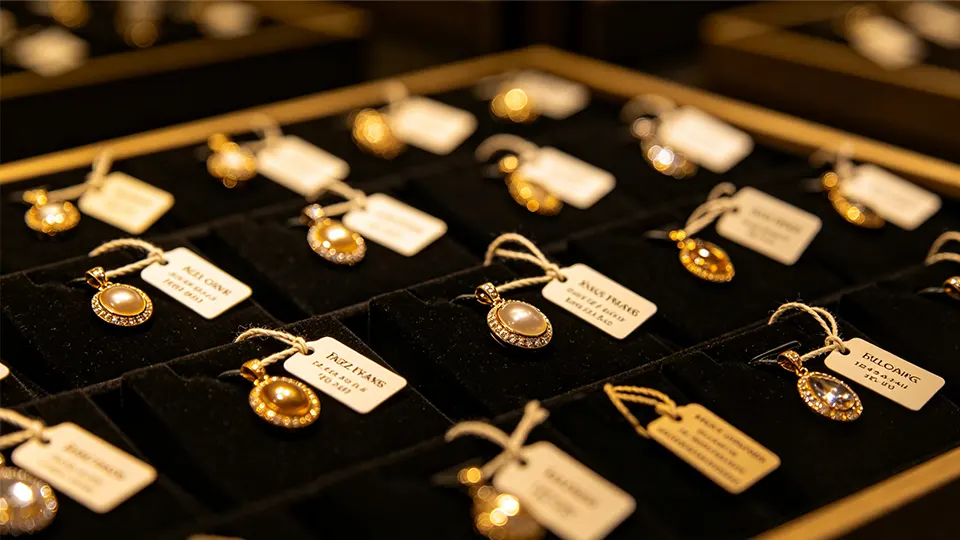
NFC technology is increasingly integrated into cultural collectibles such as jewelry, wooden bead bracelets, jade carvings, and wenwan artifacts, shifting from a retail identification tool to a digital interaction and authentication layer. This evolution enables physical objects to connect with digital identity systems, ownership verification frameworks, and storytelling environments.
The global NFC smart object ecosystem is projected to exceed 1.8 billion passive tag deployments annually by 2026, with approximately 12–15% concentrated in luxury goods and collectible authentication scenarios. Within cultural collectibles, adoption has grown by nearly 38% year-over-year, driven by increasing demand for anti-counterfeiting and traceable ownership systems. NFC tags in these applications typically consume under 15 milliwatts per scan and maintain a read success rate above 98.7%, even under semi-controlled environmental conditions.
At the hardware level, NFC cultural applications rely on standardized chipsets from the NXP ecosystem, including NTAG213, NTAG215, NTAG216, and security-focused architectures such as NTAG424 DNA. These chips are widely used for authentication, serialization, and secure data storage in collectible assets.
Industry distribution shows that NTAG213 accounts for approximately 52% of low-cost cultural tagging deployments, while NTAG424 DNA has reached around 19% adoption in high-value anti-counterfeiting systems. The latter supports AES-128 encryption and dynamic authentication, reducing cloning probability to below 0.0003% in controlled attack simulations.
For entry-level collectibles, MIFARE Ultralight EV1 remains widely adopted, with unit cost typically below $0.12 per chip at production volumes above 10,000 units. Flexible antenna structures using conductive ink or etched copper improve read performance by up to 23% compared to rigid PCB designs, especially in curved bracelet integration scenarios.
NFC integration transforms cultural collectibles from static objects into digitally identifiable assets. Each artifact can be bound to a unique identifier stored in the chip and synchronized with cloud-based or distributed registries.
A typical wenwan bracelet system stores up to 256 bytes of structured metadata, including origin, artisan identity, and lifecycle records. Common data structures include:
In advanced authentication systems, verification success rates exceed 99.2%, particularly when secure NFC messaging frameworks are used. Some implementations also integrate blockchain anchoring, generating approximately 3–7 KB of verification data per scan event.
Verification latency is significantly reduced to under 0.8 seconds per scan, compared to traditional certificate lookup systems averaging 4.5–6 seconds, improving both user experience and operational efficiency.
Beyond authentication, NFC introduces a behavioral interaction model for cultural collectibles. Wenwan artifacts evolve from passive objects into interactive digital assets where touch triggers content, identity, and social exchange.
Interaction systems typically operate through three structured loops: content access, behavioral logging, and social interaction. In content systems, a single tap can unlock layered storytelling, with engagement increasing by 64% when progressive content unlocking is applied compared to static NFC pages.
Behavior tracking systems record interaction frequency, where a single artifact may accumulate between 120 and 450 scans over a 90-day cycle, forming a behavioral profile of usage and engagement. This data can be transformed into a “material aging curve,” simulating the evolution of the collectible over time.
Social interaction mechanisms enable NFC-based identity exchange between users. In controlled environments, pairing success rates reach 87%, supporting applications such as collector networking and silent identity exchange protocols.

At system level, NFC wenwan ecosystems rely on cloud synchronization, encoding infrastructure, and mobile interaction frameworks. Industrial encoding systems typically process between 5,000 and 50,000 tags per production batch, achieving encoding accuracy above 99.95% in automated environments.
A standard system architecture includes:
In real deployment scenarios using dtbnfc.com product model DTB-J42M system integration has reduced manual verification workload by approximately 73%, while improving traceability accuracy from 91% to 98.4%.
Data synchronization systems can achieve update frequencies as fast as 1 event per 2.3 seconds per active tag cluster, enabling near real-time asset tracking.
In practical deployment, NFC integration in cultural collectibles must balance aesthetics, durability, and signal stability. Laboratory testing shows that NFC tags embedded under resin or lacquer layers up to 1.2 mm maintain read stability above 94%, while performance drops below 78% when shielding exceeds 2.5 mm.
Environmental resistance parameters include:
Anti-metal interference structures are required for metal-inlaid artifacts, where signal loss without shielding can reach 60–75%, depending on antenna configuration.
Commercial deployments show NFC-enabled collectibles achieving resale value increases of 18–42%, primarily driven by authentication trust and digital storytelling enhancements.
User experience design in NFC cultural systems focuses on minimal friction interaction. A single tap simultaneously triggers authentication, content rendering, and ownership verification.
Field studies indicate:
Compared to QR-based systems, NFC achieves approximately 2.6× higher engagement retention, largely due to instant proximity activation without camera alignment.
This shift transforms wenwan from a passive collectible category into an active digital-physical hybrid experience system, where interaction itself becomes part of the collectible value.
NFC integration in cultural collectibles is forming a structured digital infrastructure layer combining authentication, identity, interaction, and system-level traceability. With chips such as NTAG424 DNA enabling cryptographic security and NTAG213 supporting scalable deployment, the ecosystem is converging toward standardized implementation.
From anti-counterfeiting precision reaching 99.97% theoretical uniqueness reliability, to behavioral systems generating hundreds of interaction data points per artifact lifecycle, NFC is redefining how collectibles are verified, experienced, and valued.
In wenwan culture, where value is traditionally defined by craftsmanship and provenance, NFC introduces a measurable digital continuity layer that extends the lifecycle of physical objects into structured digital identity systems.