A product package often delivers the first physical interaction between a brand and its customer. For decades, that interaction depended almost entirely on printed graphics, logos, and carefully selected materials. Premium finishes, embossed labels, and elegant packaging designs all helped products stand out on store shelves, yet the conversation usually ended once the package was opened. Today’s consumers expect far more. They look for authenticity, transparency, personalized experiences, and a reason to stay connected after the purchase.
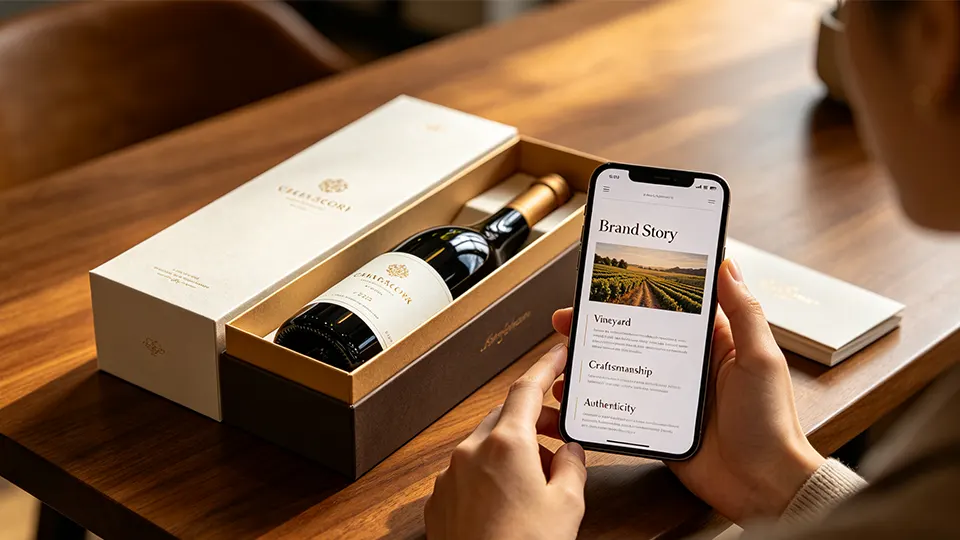
This shift has changed the role of packaging. Instead of acting only as a protective layer, packaging has become a digital gateway capable of introducing the people, craftsmanship, and values behind a product. NFC technology allows that gateway to remain invisible until the customer chooses to interact with it. A simple smartphone tap can open content that would never fit on a printed label, creating a richer experience without changing the appearance of the product itself.
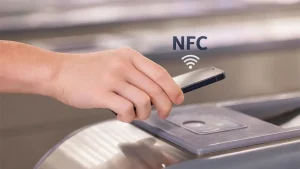
Unlike QR codes, which require camera access, visible printing, and favorable lighting conditions, NFC interaction feels almost effortless. Most smartphones released during the past five to seven years support NFC by default, allowing users to access digital content within one second after touching a tag. That small reduction in friction has a measurable effect on customer engagement because every additional step during an interaction increases the likelihood of abandonment.
For luxury goods, premium beverages, cosmetics, specialty coffee, fashion accessories, and limited-edition collectibles, emotional value often contributes as much to purchasing decisions as the product itself. Consumers increasingly want to understand where materials originated, who designed the product, how it was produced, and why certain decisions were made during development. NFC gives brands enough digital space to tell those stories in a structured and continuously updated format.
Several types of digital content are commonly connected to an NFC-enabled package:
* Founder stories, production videos, sourcing information, sustainability reports, authentication pages, customer communities, membership registration, after-sales support, digital product passports, exclusive campaigns, and seasonal content.
This flexibility also solves a long-standing problem for product packaging. Printed information becomes outdated once products leave the factory. Digital content connected through NFC remains editable throughout the product lifecycle. A wine producer can publish harvest updates months after bottling. A luxury watch manufacturer can add maintenance recommendations years after purchase. A cosmetic brand can introduce new skincare tutorials without redesigning its packaging.
Behind these experiences are mature NFC chips such as NTAG213, NTAG215, NTAG216, each offering different memory capacities and application possibilities. Entry-level campaigns often rely on NTAG213 because its memory is sufficient for URL redirection, while larger digital experiences frequently adopt NTAG216 or more advanced secure chips depending on the amount of information and required security level.
Packaging therefore becomes an evolving communication channel instead of a fixed marketing asset. That difference explains why NFC has gradually moved beyond promotional campaigns and entered long-term brand communication strategies.
Successful brands rarely rely on a single purchase. Long-term value comes from repeated interaction, customer recognition, and emotional familiarity. Memory plays a central role in this process, and digital experiences created through NFC can strengthen that memory every time customers interact with a product.
Many premium brands invest significant resources in storytelling, yet most stories remain disconnected from the products themselves. Corporate websites, social media videos, interviews, and advertising campaigns all exist independently, requiring customers to actively search for information. NFC shortens that distance by connecting physical products directly with branded digital content at the exact moment curiosity appears.
A customer opening a specialty coffee package may discover the coffee farm, harvest season, roasting profile, and interviews with growers. Someone purchasing handcrafted leather goods might access videos showing traditional manufacturing techniques that require 12 to 18 hours of manual work. A collector purchasing a numbered artwork could immediately verify edition information while learning about the artist’s creative process.

These interactions are more than additional information. They help transform products into memorable experiences because the story becomes associated with the physical object itself.
Several industries have already expanded this approach.
Luxury fashion brands often introduce craftsmanship videos that explain stitching methods, leather selection, and artisan experience. Premium wineries use NFC to present vineyard locations, grape varieties, aging periods, and tasting recommendations. Beauty brands connect ingredient sourcing with laboratory research, allowing customers to explore formulation details that cannot realistically appear on product labels.
Authentication has also become part of storytelling. Instead of directing customers to a generic verification page, brands can create personalized experiences after authentication succeeds. A verified luxury handbag might reveal manufacturing records, warranty activation, care instructions, and invitations to exclusive member events within the same interaction.
This combination of storytelling and authentication increases consumer confidence while reducing friction during ownership.
A typical digital storytelling journey often follows four connected stages:
Campaign data frequently demonstrates that returning users interact differently from first-time visitors. Customers who revisit digital product pages are generally interested in product care, service information, or exclusive updates rather than introductory marketing material. NFC platforms therefore benefit from continuously refreshed content instead of static landing pages published once and left unchanged.
Hardware selection also influences customer experience. Thin paper labels suit retail packaging, while glass bottles, metal containers, cosmetics, and reusable products require different antenna designs and encapsulation methods. For example, the Label from DTB RFID is designed for authentication and premium digital engagement, making it suitable for luxury packaging, wine bottles, cosmetics, and branded collectibles where secure customer interaction is expected throughout the product lifecycle.
Brand storytelling becomes significantly more valuable when customers believe every piece of information they receive. That confidence has become increasingly difficult to establish as counterfeit products, unauthorized resellers, and copied marketing content continue to circulate across global markets. Premium packaging alone is no longer enough to convince consumers that a product is genuine.
Secure NFC technology introduces a different level of confidence because every interaction can begin with product authentication before additional content is displayed. Unlike a static QR code that always points to the same destination, a secure NFC interaction can verify whether the product identity remains valid at the moment of scanning.
For consumers, the authentication process happens almost instantly. A bottle of premium whisky can confirm authenticity before presenting the distillery’s history. A luxury cosmetic product may unlock ingredient traceability, laboratory testing information, and personalized skincare recommendations only after successful verification. Limited-edition sneakers can reveal production numbers, release dates, and ownership registration, giving customers greater confidence throughout the ownership experience.
Trust also grows when information remains consistent across every market. International brands often distribute products through dozens of countries, each requiring different languages, regulations, and promotional campaigns. Updating printed packaging for every region is both expensive and inflexible. NFC makes localized storytelling far easier because the same tag can deliver different content according to language settings, market location, or campaign schedule while maintaining a single physical package.
Digital Product Passport initiatives are accelerating this direction. Across many industries, brands are preparing to provide more transparent information about product composition, repairability, recycling, carbon footprint, and supply chain history. Instead of presenting these details as regulatory obligations, many companies are integrating them into broader storytelling strategies. Customers interested in sustainability often spend more time exploring production information than traditional advertising content because the information directly relates to purchase decisions.
This approach also creates measurable business value. Brands no longer rely solely on assumptions about customer engagement. Every authorized NFC interaction provides useful insights into product usage after purchase. Repeated taps from the same product may indicate long-term customer interest, while interactions from different countries can reveal parallel distribution channels. Campaign performance becomes easier to evaluate because engagement data is connected directly to physical products rather than anonymous web traffic.
Many NFC projects achieve only a fraction of their potential because they focus on the first tap instead of the complete customer journey. Opening a webpage is only the beginning. The real objective is to encourage meaningful interaction throughout the ownership period.
A well-designed experience usually evolves over time. The information shown immediately after purchase differs from the content customers need several months later. Dynamic content management allows brands to adjust this journey without replacing the physical NFC tag.
A practical lifecycle often includes several stages:
* Product introduction, authenticity verification, founder story, production process, usage guidance, maintenance recommendations, loyalty enrollment, exclusive campaigns, customer feedback, after-sales service, resale verification, and recycling information.
This progression reflects how customer expectations naturally change. During the first interaction, curiosity is highest. Weeks later, practical support becomes more valuable. After several months, exclusive content or community participation often creates stronger engagement than promotional offers.
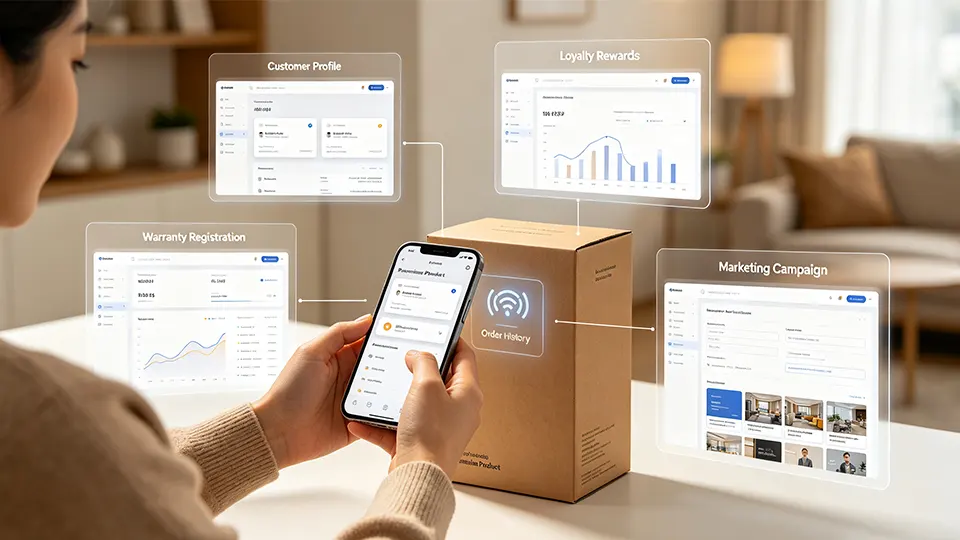
Many successful deployments also combine NFC with broader digital ecosystems. Customer relationship management systems, membership platforms, e-commerce stores, warranty databases, and marketing automation tools can all receive data from authenticated NFC interactions. When these systems exchange information intelligently, the product itself becomes part of an ongoing communication channel instead of a one-time purchase.
Content quality plays an equally important role. Long technical specifications rarely hold attention, while professionally produced videos, behind-the-scenes photography, interviews with designers, and interactive production maps encourage longer engagement. Some premium beverage brands report average interaction times exceeding 90 seconds, considerably longer than the typical visit to a standard product landing page. Extended engagement creates additional opportunities for education, cross-selling, and customer retention without interrupting the ownership experience.
Technology should remain largely invisible throughout this process. Consumers rarely purchase a product because it contains an NFC chip. They return because every interaction delivers useful information, memorable stories, or exclusive experiences. The hardware simply enables that relationship.
The role of NFC has expanded far beyond contactless communication. It now serves as a bridge between physical products and digital brand experiences, helping companies communicate craftsmanship, authenticity, sustainability, and long-term value through a single interaction. As product packaging becomes increasingly connected, every tap offers an opportunity to strengthen customer confidence and deepen brand recognition.
Brands investing in digital storytelling are also building digital assets that continue to evolve after products reach the market. Campaign content can be updated, seasonal experiences introduced, educational material expanded, and customer services improved without redesigning packaging or replacing inventory. This flexibility is especially valuable for industries where products remain in circulation for years rather than weeks.
The companies achieving the strongest results usually begin with clear objectives instead of technology selection. Some focus on premium customer experiences, others prioritize authentication, while many combine storytelling with Digital Product Passport initiatives and post-purchase engagement. The underlying NFC infrastructure remains largely the same, but the customer experience becomes unique because it reflects the identity of the brand rather than the capabilities of the chip.
As secure NFC chips, cloud platforms, and mobile ecosystems continue to mature, product packaging is becoming one of the most important digital touchpoints in modern brand communication. A thoughtfully designed NFC experience transforms every authenticated product into a living source of information, connecting craftsmanship, transparency, and customer engagement throughout the entire product lifecycle. The brands that succeed are rarely those with the most complex technology. They are the ones that understand how every interaction can reinforce trust, enrich product value, and create stories that customers genuinely want to revisit.