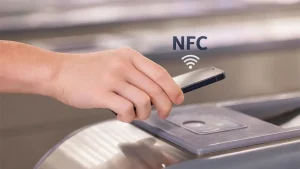
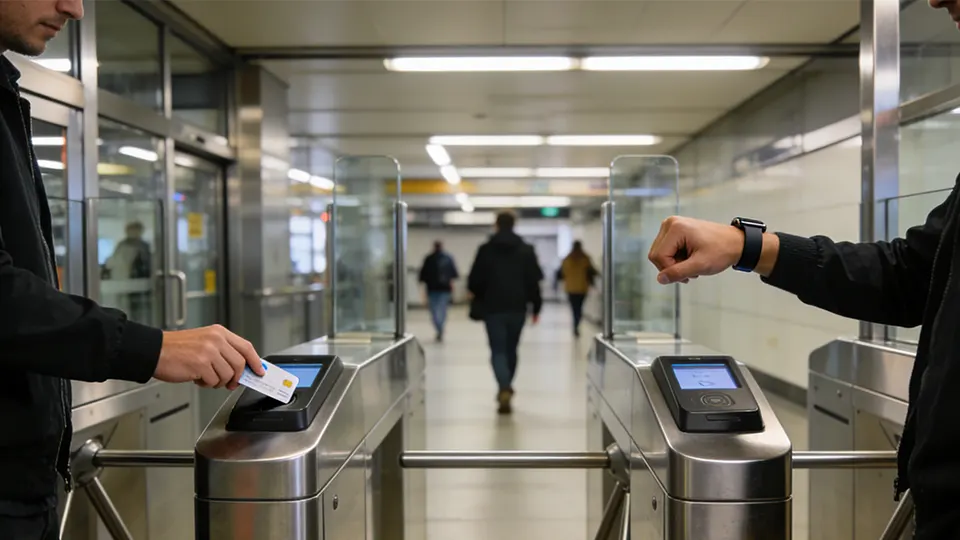
In many NFC deployments, early discussions tend to focus on chip models, encoding capacity, or reader compatibility. In reality, the physical form of the NFC tag often influences system performance just as much as the chip itself.
An NFC chip embedded in a PVC card behaves identically to the same chip embedded in a silicone wristband. Both can support the same standards, the same memory structure, and the same encoding workflow. From the reader’s perspective, they are simply NFC tags.
The difference appears when people begin interacting with those tags in everyday environments. The way a user carries a credential, how quickly it can be presented to a reader, and how easily it can be lost or shared all affect the overall experience of the system.
Because of this, selecting between NFC cards and NFC wristbands is less about electronics and more about how people interact with the technology during normal use.
In environments where NFC scanning happens occasionally, the difference between cards and wristbands may appear minimal. However, when large numbers of users interact with the same reader within short periods of time, the form factor becomes more noticeable.
Using a card usually involves a few steps. The user retrieves the card from a pocket, wallet, or bag, aligns it with the reader, and waits for confirmation. Each step is quick, but repeated hundreds or thousands of times it can slow down entry points.
A wristband removes most of that process. Because the tag is already worn on the wrist, the interaction becomes a simple gesture. Users lift their arm and bring the wrist close to the reader.
In locations where visitors move continuously between checkpoints, this small difference can improve the overall flow of people passing through scanning areas.
Technical specifications rarely explain why certain NFC formats dominate specific industries. User behavior often plays a larger role.
Office environments already rely on ID badges and access cards. Employees are used to presenting cards when entering buildings or restricted areas. In this context, an NFC card simply integrates with existing habits.
Leisure environments are different. Visitors carry phones, drinks, bags, or sports equipment. Retrieving a card every time they pass a checkpoint becomes inconvenient. A wearable credential allows the tag to remain accessible without requiring users to reach into a pocket.
Because of this difference in behavior, card-based credentials remain common in corporate systems, while wearable NFC tags are widely used in entertainment and hospitality environments.
Security in NFC systems depends primarily on the chip and the backend authentication design rather than the physical medium. Both cards and wristbands can contain the same secure chips and support identical encryption features.
However, the physical format does influence how easily a credential can be shared.
Cards are portable objects that can be passed between users. Wristbands are worn on the body and are therefore less likely to be casually transferred. This does not replace security mechanisms, but it can help maintain a closer association between the tag and the user.
For environments where the NFC tag is used for both access control and payment functions, wearable credentials often provide a practical balance between usability and identity consistency.
Another factor that influences the choice of NFC medium is the surrounding environment.
PVC cards perform well in offices, retail environments, and educational facilities where the tags remain dry and protected. Under these conditions, cards may remain functional for several years.
Outdoor locations and water-related environments place different demands on NFC media. Moisture, sweat, and constant movement can shorten the lifespan of rigid cards.
Wearable tags made from silicone or TPU are designed to tolerate these conditions. Waterproof wristbands are frequently used in sports facilities, water parks, and resorts. Products such as the DTB-SW12 silicone wristband from dtbnfc.com are designed specifically for continuous wear in environments where water exposure is common.
In large venues, NFC credentials serve another practical purpose beyond digital authentication. They also allow staff to quickly identify different types of visitors.

Wristbands make visual identification simple. Different colors or materials can represent different access levels such as VIP guests, staff members, or general visitors.
Cards provide fewer visual cues unless they are displayed on lanyards. When stored in pockets or wallets, they do not assist staff in identifying access privileges from a distance.
This operational advantage is one reason why many large-scale venues rely on wearable credentials.
When organizations compare NFC cards and wristbands, the discussion often begins with the price of the tag itself. In practice, several additional factors influence the overall cost of deployment.
Important cost factors include:
Cards typically have lower production costs and work well in long-term identification systems. Wristbands may have slightly higher material costs but can simplify short-term deployments where credentials are used for only a few days.
Yes. In most cases, NFC cards and NFC wristbands use identical chip families. The physical format does not change the electronic communication protocol.
Common chip options include:
Both cards and wristbands can embed these chips and interact with the same NFC readers and smartphones. For example, a standard PVC credential such as the card available on dtbnfc.com can be encoded and read using the same infrastructure that supports wristband-based tags.
Because the electronic layer is identical, the choice between the two formats mainly affects how users interact with the system rather than how the technology functions.
Certain environments naturally align with card-based credentials.
Common situations include:
In these environments the card often doubles as a visible identification badge and can display printed information such as names, photos, or branding elements.
Wearable NFC media becomes more practical when people interact with readers frequently or when the environment involves physical activity.
Typical situations include:
Because the tag remains attached to the user, repeated scanning becomes quicker and more convenient.

When selecting an NFC medium, several practical questions usually guide the decision.
If the system is designed for long-term identification, cards are often the most practical option.
If users interact with readers many times during a single visit, wearable tags tend to provide a smoother experience.
If the environment includes water, sports activity, or outdoor exposure, wristbands generally offer better durability.
If the credential must also function as a printed identification badge, a card format may remain more appropriate.
Considering these factors early in the system design process can prevent unnecessary changes later in deployment.
Yes. Smartphones read the NFC chip inside the wristband the same way they read an NFC card.
Many silicone and fabric wristbands are reusable, depending on the operational policy of the organization using them.
Yes. Wristbands often use the same chip families such as NTAG213, NTAG215, and NTAG216.
Many silicone wristbands are designed to be waterproof and suitable for swimming environments.
In dry indoor environments, PVC cards can last several years. Wristbands are typically optimized for durability in wet or active environments.
Wristbands are usually easier for event management because they remain visible and attached to the visitor.