
NFC and RFID wristbands have become an essential part of modern event management, access control, hospitality, and leisure industries. They combine convenience, security, and customization, making them far more than simple accessories. Depending on the materials used and the intended purpose, wristbands generally fall into four main categories: silicone, fabric, paper, and PVC. Each type has unique features, advantages, and limitations, and the right choice depends on the specific application. In this article, we explore these four wristband types in depth, detailing their materials, characteristics, use cases, benefits and drawbacks, and offering real-world examples of companies or events using them.
Material and Characteristics
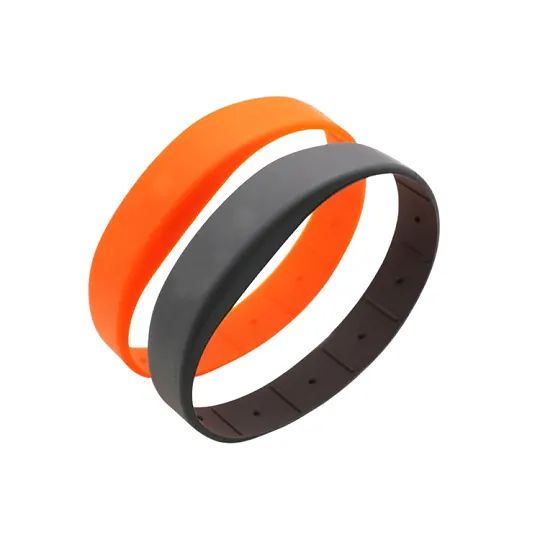
Silicone wristbands are made from soft, flexible silicone rubber, which is durable, waterproof, and comfortable on the skin. The NFC or RFID chip is embedded inside the band during the manufacturing process, making it highly resistant to wear and tear. Silicone wristbands can accommodate a wide range of chip standards, including MIFARE Classic, MIFARE DesFire, and even some UHF RFID options, which makes them highly versatile.
One of the most significant advantages of silicone is its flexibility and comfort. It wraps snugly around the wrist without causing discomfort, making it ideal for extended wear. In addition, silicone can be customized in terms of color, size, and design. Logos or serial numbers can be added through silkscreen printing or laser engraving, making it a highly brandable solution for events or membership programs. Its waterproof and wear-resistant nature allows users to wear it while swimming, showering, or exercising without compromising its function.
Applications and Usage
Silicone NFC wristbands are particularly suited for environments where comfort and durability are essential. Common applications include:
Theme parks and water parks: Guests can access rides, pools, and attractions without needing to carry a ticket or card.
Gyms and wellness centers: Members can use wristbands for locker access, entry, and cashless payments.
Hotels and resorts: Guests use wristbands for room access, spa treatments, and purchases at hotel outlets.
Small-scale events: These bands offer convenience and a premium feel, allowing attendees to wear them throughout the day.
Using a silicone wristband is simple. The user wears it on their wrist, and the embedded NFC chip can be programmed with access permissions, payment credentials, or personal identification. When tapped against a reader, the chip communicates wirelessly, providing seamless access or transaction capabilities.
Advantages and Limitations
Silicone wristbands are comfortable, waterproof, highly durable, and reusable, making them a long-term investment for businesses. They also offer excellent customization options, supporting branding or membership programs. On the downside, they are more expensive than disposable paper bands, and production may require higher minimum order quantities. While very robust, extreme physical stress or sharp objects can eventually damage them.
A resort operator implemented silicone NFC wristbands for their guests. Each wristband was encoded with access permissions for pools, spa areas, and hotel rooms, as well as cashless payment functionality for restaurants and gift shops. Guests could swim, shower, and enjoy water activities without worrying about their wristband, ensuring a smooth and convenient experience for everyone.
Material and Characteristics
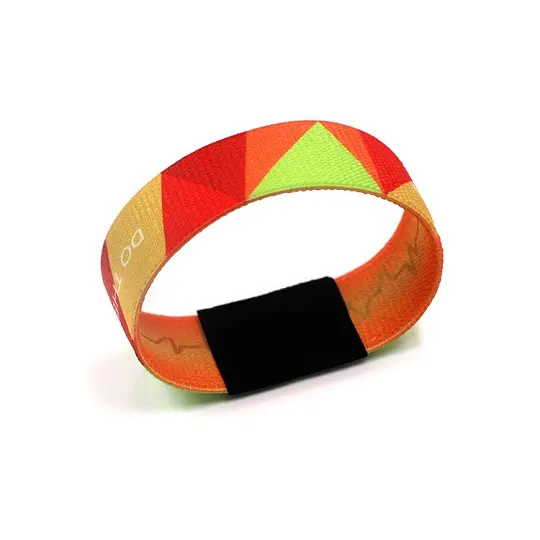
Fabric or woven wristbands are made from soft textiles such as polyester or nylon, combined with an embedded NFC or RFID chip housed in a small clasp or enclosure. The band itself is comfortable to wear and breathable, making it ideal for long-term use over several days. Many fabric wristbands are equipped with a locking clasp, which prevents the band from being removed without cutting, providing tamper-evidence and security for event access.
Fabric wristbands can be fully customized, including printing logos, colors, serial numbers, and even QR codes. The flexibility of fabric allows it to conform to the wrist naturally, offering a premium feel that enhances the user experience for multi-day events or festivals.
Applications and Usage
Fabric NFC wristbands are widely used in:
Multi-day music festivals and concerts: Bands can be worn comfortably for the duration of the event while ensuring secure access.
Conferences and trade shows: Wristbands serve as attendee IDs, access passes, and cashless payment devices.
Resorts and clubs: They provide a comfortable option for guests to carry identification and access credentials for longer stays.
To use, the wristband is secured around the wrist using a locking clasp or bead, and the embedded chip is programmed for the required functions. Attendees can tap the wristband at NFC readers for entry, purchases, or verification, offering convenience and security.
Advantages and Limitations
Fabric wristbands are comfortable, customizable, and provide tamper-evidence. They are suitable for long-term wear, especially at multi-day events. However, they can be bulkier than silicone or paper bands and may not be ideal for swimming or wet environments, as the fabric can absorb moisture. They are also more expensive than disposable options, making them less cost-effective for single-day events.
At a three-day music festival, organizers provided custom fabric NFC wristbands to all attendees. Each band featured full-color printing with the festival branding, unique serial numbers, and embedded NFC chips. The locking clasp ensured security, while the soft, breathable fabric kept attendees comfortable throughout the festival. The wristbands enabled access to stages, VIP areas, and vendor cashless payment systems, enhancing both security and convenience.
Material and Characteristics
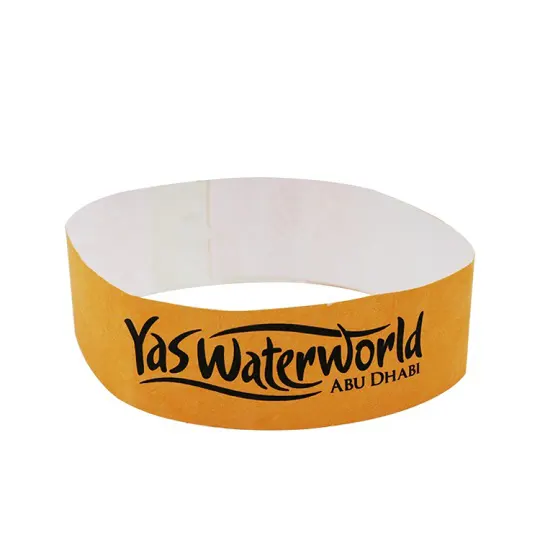
Paper or synthetic paper wristbands are lightweight, inexpensive, and designed for single-use or short-term applications. They often use Tyvek or PP materials that mimic paper but are more resistant to tearing and moisture. The NFC or RFID chip is embedded within the band, allowing for contactless communication while remaining affordable for large-scale distribution.
These wristbands are easy to customize with colors, printing, logos, and serial numbers. They provide basic durability sufficient for short-term events while being highly economical, especially when dealing with thousands of attendees.
Applications and Usage
Paper NFC wristbands are ideal for:
One-day events such as concerts, exhibitions, and parties.
Visitor or guest management for resorts, hotels, and pools.
Temporary access control for events or short-term memberships.
Attendees wear the wristbands secured by adhesive or snap closures, and the embedded chip is encoded with relevant credentials for access, identification, or payments. Since they are disposable, there is no need to collect or sanitize them after use.
Advantages and Limitations
The primary advantages of paper wristbands are cost and convenience. They are lightweight, easy to distribute, and support basic NFC/RFID functionalities. However, they are not durable enough for long-term or high-intensity use, less comfortable than fabric or silicone bands, and cannot typically be reused.
A one-day trade show for technology enthusiasts used synthetic paper NFC wristbands for all attendees. Each wristband was encoded with access credentials to different seminar rooms, networking areas, and exhibition zones. The bands were easy to distribute, lightweight for attendees, and provided a practical and cost-effective solution for managing a large crowd during the event.
Material and Characteristics
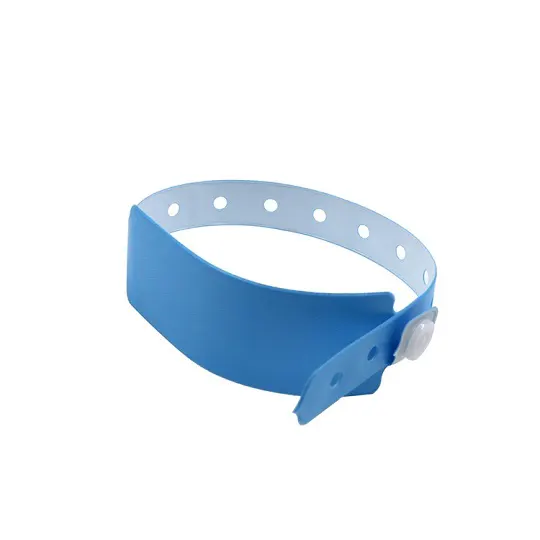
PVC or vinyl wristbands are made from flexible plastic materials with embedded NFC or RFID chips. They offer a balance between the durability of silicone and the affordability of paper. PVC bands are waterproof, resistant to wear, and flexible enough for comfortable use. They can also be customized in color, size, and design.
These wristbands are suitable for both disposable and short-term reusable applications. The embedded chip supports a variety of frequencies, making PVC bands compatible with many access and payment systems.
Applications and Usage
PVC NFC wristbands are commonly used in:
Waterparks and amusement parks: Guests can use the wristband for access to rides, pools, and lockers.
Multi-day events or festivals: They offer durability without the premium cost of silicone or fabric.
Clubs, resorts, or temporary memberships: Providing a practical solution for short-term or seasonal use.
Usage involves securing the wristband around the wrist with a snap or lock, programming the chip for necessary access or payment functions, and allowing guests to tap at readers. PVC’s durability ensures the wristband can withstand water exposure and rough handling.
Advantages and Limitations
PVC wristbands are durable, waterproof, and suitable for multi-day use, while remaining more affordable than silicone or fabric bands. They are a good compromise between cost and performance. However, they may feel plasticky compared to softer materials and are not ideal for long-term use where premium comfort or aesthetics is important. Their security level depends on the closure method, and they may be less tamper-evident than fabric bands with locking clasps.
A waterpark used PVC NFC wristbands for daily visitors. Each band was encoded for access to rides, pool areas, and locker management, as well as cashless payments. The waterproof and durable design ensured that guests could enjoy water attractions and activities throughout the day without compromising functionality. The solution offered a balance between affordability and robustness, ideal for high-volume daily usage.
Choosing the Right Wristband
Selecting the appropriate wristband depends on several factors:
Duration of use: Short-term events favor paper; long-term or water-exposed environments benefit from silicone or PVC.
Comfort: Extended wear favors silicone and fabric bands.
Durability: Water exposure, sweat, or rough handling requires waterproof, resilient materials.
Security: Tamper-evident options like locking fabric bands offer higher security.
Budget: Large-scale, single-use events benefit from low-cost paper bands; premium experiences justify silicone or fabric.
Branding: Customization options vary; silicone and fabric offer more design possibilities.
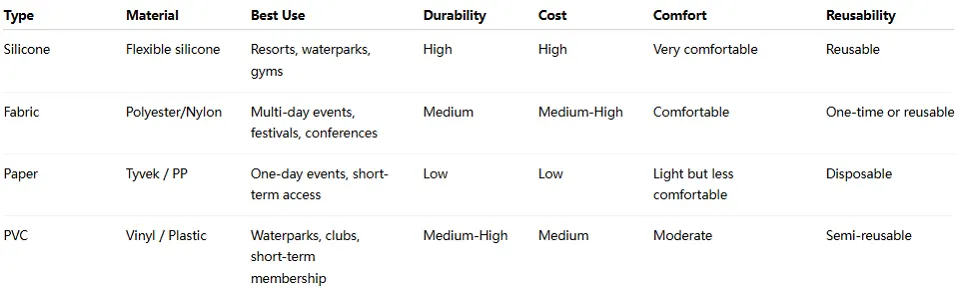
NFC wristbands have transformed how events, resorts, clubs, and venues manage access, payments, and identification. Silicone bands are ideal for long-term, waterproof, and premium experiences. Fabric bands shine in multi-day events where comfort and tamper-evidence are essential. Paper bands provide cost-effective, disposable solutions for short-term applications. PVC bands offer a practical balance between durability and affordability for water-based or medium-term use.
Choosing the right type ensures a seamless experience for both organizers and users, and providing a range of options allows businesses to cater to diverse needs. From large-scale festivals to resort guest programs, NFC wristbands deliver convenience, security, and enhanced engagement, making them an indispensable tool for modern access and membership management.