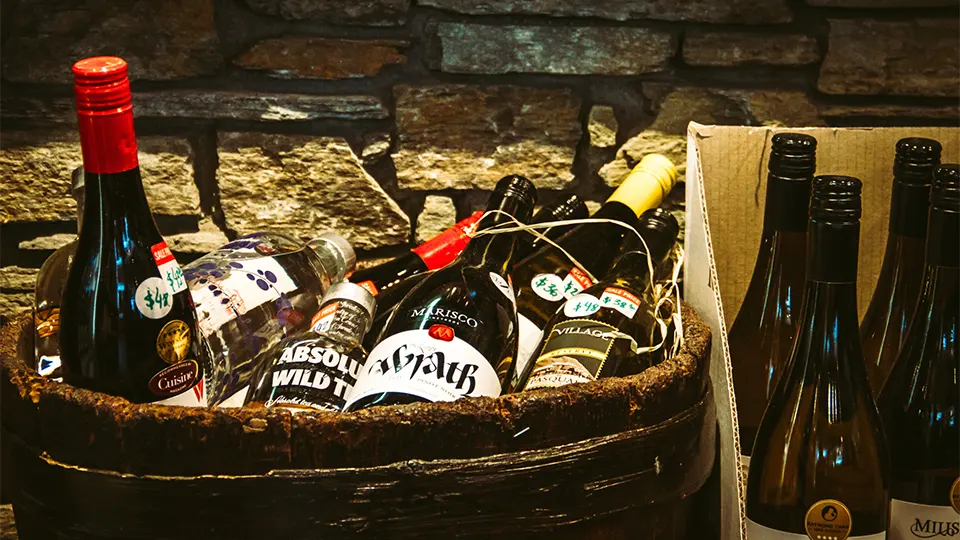
For centuries, wine has carried stories of land, craftsmanship, and tradition. A bottle from a renowned winery represents much more than a beverage; it reflects a specific vineyard, a production method, a vintage year, and the reputation built by generations of winemakers. As premium wines become increasingly valuable in global markets, consumers and brands require a more reliable way to connect each bottle with its true origin.
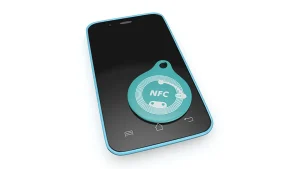
NFC technology is becoming an important solution for wine traceability and authentication. By embedding an NFC tag into wine packaging, wineries can create a unique digital identity for every bottle, allowing consumers to verify authenticity, explore product information, and interact directly with the brand through a simple smartphone tap.
The adoption of NFC in wine packaging is closely related to the growth of premium wine consumption and international distribution. According to industry statistics, global wine production is measured at around 220 million hectoliters annually, with millions of bottles transported across borders every year. During this complex journey, maintaining product transparency from winery to final customer has become increasingly important.
Traditional wine labeling provides essential information such as producer name, region, alcohol content, and vintage. However, modern consumers are looking for deeper product stories and stronger proof of authenticity. NFC technology allows a physical bottle to connect with digital information stored in a secure platform.
An NFC wine tag contains a small integrated circuit with a unique identification number. When a consumer places a smartphone close to the label, the NFC chip communicates with the device and opens a dedicated digital page containing verified wine information.
A complete NFC wine traceability system can connect multiple stages of production:
This digital connection creates a transparent relationship between wineries and customers. A collector purchasing a premium Bordeaux bottle, for example, can check whether the product matches official winery records before adding it to a personal collection.
NFC technology also improves the consumer experience after purchase. A wine label can become an interactive gateway where customers access food pairing recommendations, winery videos, tasting notes, and membership programs. For brands focusing on long-term customer relationships, the NFC tag becomes a valuable communication channel throughout the product lifecycle.
Counterfeit products remain a major concern for the global wine industry, especially for high-value bottles with limited production quantities. Expensive wines are attractive targets because their value often depends on reputation, rarity, and collector confidence.
A standard printed QR code can provide product information, but it can also be copied and reproduced. NFC authentication introduces a stronger connection between the physical bottle and its digital identity through a dedicated chip.
Common NFC chips used in wine authentication applications include:
These NFC chips operate at the 13.56 MHz frequency and comply with ISO/IEC 14443 standards. Their reading distance is typically within a few centimeters, creating a deliberate close-range interaction between the consumer and the bottle.
For premium wine producers, NFC authentication can include features such as unique product IDs, verification records, and anti-transfer solutions. When combined with tamper-evident materials, NFC labels can help detect unauthorized removal or replacement attempts.
A practical example for wine packaging applications is the DTB NFC NTAG213 series label, which combines compact design with smartphone compatibility for product authentication and digital information access. The small form factor allows integration into bottle labels, capsules, or luxury packaging designs without affecting the appearance of the product.
Modern wine consumers increasingly value transparency and brand connection. The moment of opening a bottle can become an opportunity for wineries to provide additional experiences beyond traditional packaging.
An NFC-enabled wine bottle can guide customers through a digital journey:
This interaction requires no dedicated application in many cases because most modern smartphones support NFC functions. According to mobile industry data, more than 80% of smartphones shipped globally include NFC capability, making contactless product interaction increasingly accessible for consumers.
For wineries exporting products internationally, NFC also reduces the communication gap between producers and overseas customers. A bottle shipped from France, Italy, Spain, or California can provide information in multiple languages, helping consumers understand the origin and value of the wine they purchase.
The connection between NFC technology and Digital Product Passport (DPP) concepts is becoming increasingly relevant for European brands that focus on product transparency, sustainability, and consumer trust. A wine bottle contains information throughout its entire lifecycle, from grape cultivation and production to distribution and final consumption. NFC provides a practical way to connect this physical product with structured digital information.
For European wineries, a digital identity attached to each bottle can support several business needs, including product transparency, sustainability communication, and customer engagement. Instead of relying only on traditional labels, wineries can provide access to continuously updated digital content through an NFC tag placed on the bottle.
A wine digital passport can include information such as:
The European Union has been actively promoting greater transparency across product categories through digital product information systems. For wine producers targeting European consumers, NFC offers a convenient bridge between physical packaging and digital compliance requirements.
The technology is particularly suitable for premium and export-oriented wineries because one NFC tag can serve different markets. A consumer in France, Germany, the United States, or Japan can access localized content through the same bottle identity, improving international brand communication.
Selecting an NFC tag for wine packaging requires consideration of several practical factors. Wine bottles often face moisture, temperature changes, transportation pressure, and long storage periods. The selected NFC solution needs to maintain stable performance while matching the visual requirements of premium packaging.
Wine brands usually evaluate NFC tags based on chip performance, memory capacity, size, durability, and integration method.
Key factors include:
Chip selection according to the amount of digital information required. NTAG213 is suitable for basic authentication and product pages, while NTAG215 and NTAG216 provide larger memory capacity for richer content.
Label construction according to packaging conditions. Waterproof materials, strong adhesives, and customized designs help maintain reliable performance throughout transportation and storage.
For example, a small NFC label integrated into a wine capsule can provide authentication without changing the traditional appearance of a luxury bottle. For limited editions or collector wines, manufacturers can combine NFC chips with tamper-evident structures to create stronger product protection.
The location of the NFC tag is also important. Some wineries place NFC labels behind the front label, inside the capsule, or on the back label area. The final design depends on the bottle structure, customer interaction method, and brand presentation requirements.
NFC adoption in the wine industry is expanding because brands are discovering additional value beyond verification. A connected bottle can support marketing activities, customer relationships, and product education.
For example, after scanning an NFC wine label, customers can access:
This approach creates a longer relationship between the winery and the consumer. A bottle purchased during a special occasion can continue providing value after it leaves the store.
For wine distributors and retailers, NFC also improves product communication. Sales teams can quickly provide verified product details, while customers gain confidence when purchasing higher-value bottles online or in international markets.
The global wine e-commerce sector has grown significantly in recent years, with online wine sales becoming an important purchasing channel in Europe and North America. As more consumers buy wine without visiting physical stores, digital authentication tools become increasingly useful for improving purchase confidence.
Wine has always been built around authenticity, origin, and storytelling. NFC technology provides a modern method for protecting these values in a global marketplace where consumers expect clearer product information.
By combining NFC chips such as NXP NTAG213, NTAG215, and NTAG216 with secure digital platforms, wineries can create a reliable connection between each bottle and its verified information. Consumers gain a simple way to check authenticity, while brands gain a powerful tool for communication and customer engagement.
For premium wineries, export brands, and wine packaging companies, NFC represents a practical upgrade to traditional labeling. A small electronic tag can transform a bottle from a static product into a connected digital experience, helping preserve the story behind every vintage.
As wine continues to move across international markets, traceability and transparency will become increasingly important factors influencing consumer decisions. NFC-enabled wine packaging provides a direct path for wineries to build trust, protect brand value, and create meaningful connections with customers around the world.

To Be the Worldwide Leading Provider of NFC Products.
Copyright ©2026 Shenzhen DTB RFID Co., Ltd. All Rights Reserved.