Counterfeiting is often discussed in the context of fashion, electronics, or pharmaceuticals, yet some of the most persistent and damaging counterfeit activities take place in far quieter markets. Alcohol and specialty tea, products that rely heavily on origin, craftsmanship, and reputation, have become long-term targets for sophisticated counterfeit networks. These are not crude imitations. In many cases, the fake products are visually convincing, distributed through semi-legitimate channels, and difficult to identify without specialized tools.
In the wine industry, counterfeiting has existed for decades, but globalization has made the problem significantly worse. Bottles travel across borders, change hands multiple times, and often end up far from their place of origin. Along the way, documentation can be lost, altered, or intentionally falsified. Empty authentic bottles are collected, refilled, resealed, and reintroduced into the market. Labels and capsules are reproduced with astonishing accuracy. Even experienced collectors can struggle to distinguish genuine bottles from well-executed fakes.
The spirits sector faces similar pressures, particularly in markets where demand for imported or premium alcohol has grown faster than regulatory oversight. Counterfeit spirits are sometimes produced using industrial alcohol or unsafe additives, creating real health risks. Beyond the immediate danger, repeated exposure to counterfeit products erodes consumer confidence. When buyers begin to doubt authenticity, even legitimate brands suffer.
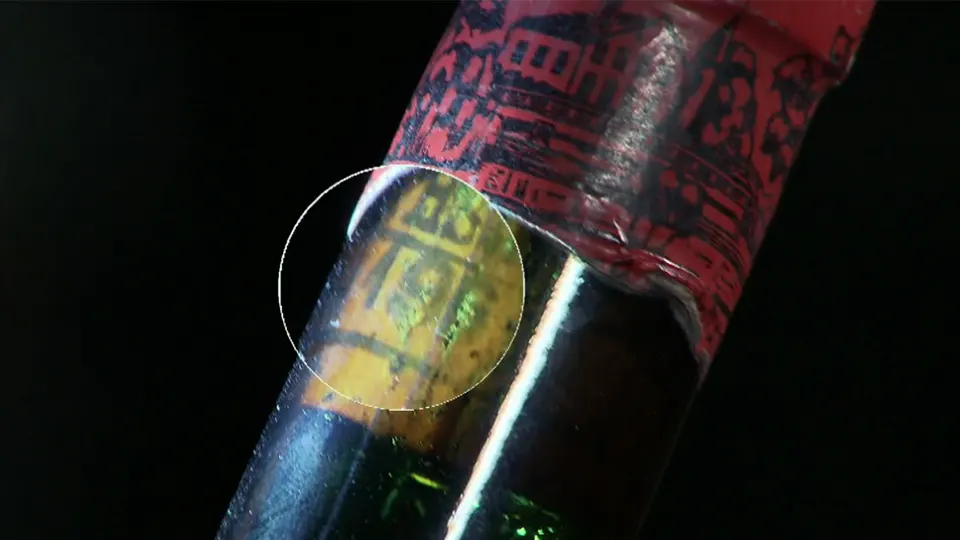
Tea, although less frequently discussed, is equally vulnerable. High-end teas are valued not only for taste, but also for provenance, processing methods, and age. A pu’erh cake claimed to be aged for decades, or a tea marketed as coming from a famous mountain or village, can command prices far above ordinary leaves. This price gap creates strong incentives for misrepresentation. Lower-grade teas may be relabeled, blended, or repackaged to imitate premium products, often with convincing stories attached.
Traditional anti-counterfeiting methods struggle to keep up with these realities. Printed labels, serial numbers, and certificates rely heavily on trust and manual verification. QR codes are easy to deploy, but they are also easy to copy. Once a code is photographed or duplicated, it can be reused indefinitely unless strict backend controls are in place. Visual security features, such as holograms or special inks, raise the barrier slightly, but they remain passive. They do not communicate with a system, and they cannot confirm whether a product has already been scanned or reused.
What alcohol and tea brands increasingly need is not just a better label, but a way to give each physical product a verifiable digital identity. This is the gap that NFC technology is beginning to fill.
NFC is not a new technology, but its application in product authentication has matured significantly in recent years. Most consumers already use NFC daily through contactless payments, transport cards, or access control systems. This familiarity lowers the barrier to adoption, which is a crucial advantage when authenticity checks rely on consumer participation.
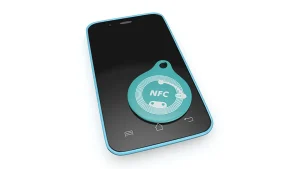
Unlike printed identifiers, NFC tags contain an embedded microchip and antenna. This hardware element changes the nature of authentication. Instead of relying solely on visible information, verification becomes a matter of reading data directly from a physical component that is difficult to duplicate. Each NFC chip can carry a unique identifier or encrypted dataset that links the product to a secure digital record.
From a brand protection perspective, this hardware-based identity is critical. While QR codes can be copied perfectly with a screenshot, NFC chips cannot be duplicated in the same way. Cloning an NFC tag requires specialized equipment, technical expertise, and access to the original data structure. Even then, secure implementations can detect abnormal behavior, such as multiple scans from different locations within unrealistic timeframes.

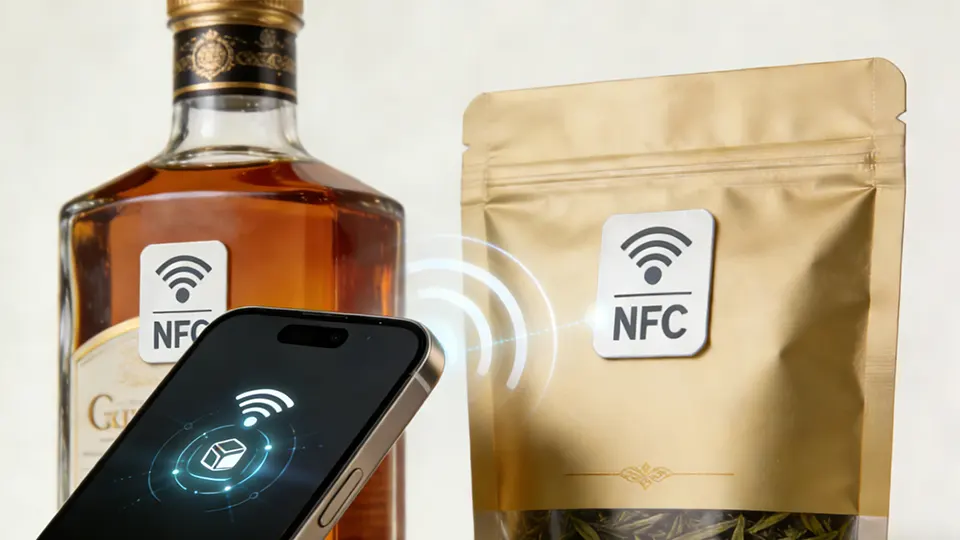
Another important aspect of NFC is controlled interaction. Because NFC works at very short distances, usually just a few centimeters, scanning is intentional. This reduces accidental reads and limits the possibility of remote attacks. For alcohol and tea products, where authenticity checks may take place in stores, restaurants, or private homes, this controlled interaction aligns well with real-world usage.
NFC also supports dynamic authentication models. Instead of simply confirming that a code exists, the system can evaluate context. Has this tag been scanned before? If so, where and when? Does the current scan align with expected distribution patterns? A bottle that is “authenticated” hundreds of times across different cities may indicate reuse or fraud. These signals are invisible with static labels but become accessible through NFC-enabled systems.
In addition, NFC tags can be designed to be tamper-evident. Many labels are constructed so that removing them damages the antenna or breaks the circuit. This physical response links the digital identity to the integrity of the packaging. If the label is removed and reapplied, the NFC function fails, immediately raising suspicion.
Beyond security, NFC introduces an interactive layer. A successful authentication does not have to end with a simple “valid” message. It can lead consumers to information about origin, production methods, tasting notes, or brewing guidance. This interaction reinforces trust while also strengthening the emotional connection between brand and customer.
The real strength of NFC-based anti-counterfeiting becomes apparent when looking at the full lifecycle of a product. Authentication is not a single event, but a process that begins at production and continues through distribution and consumption.
At the production stage, NFC tags are applied during bottling or packaging. Each tag is encoded with a unique identity linked to a digital record. This record may include information such as production date, batch number, origin, and internal quality control data. Importantly, sensitive information is not necessarily stored directly on the tag. Instead, the tag acts as a secure pointer to backend data, reducing the risk of exposure.
As products move through the supply chain, NFC scans can be performed by authorized partners. Warehouses, distributors, and retailers can update the product’s status, confirming receipt, transfer, or sale. Over time, this creates a traceable history. If a product appears outside its expected route, the discrepancy can be detected.
For alcohol, this traceability is particularly valuable. Bottles often pass through multiple intermediaries before reaching consumers. NFC records help brands maintain visibility even when physical control is limited. For tea, especially loose-leaf or compressed tea traded across regions, NFC can help preserve provenance information that would otherwise be diluted or lost.
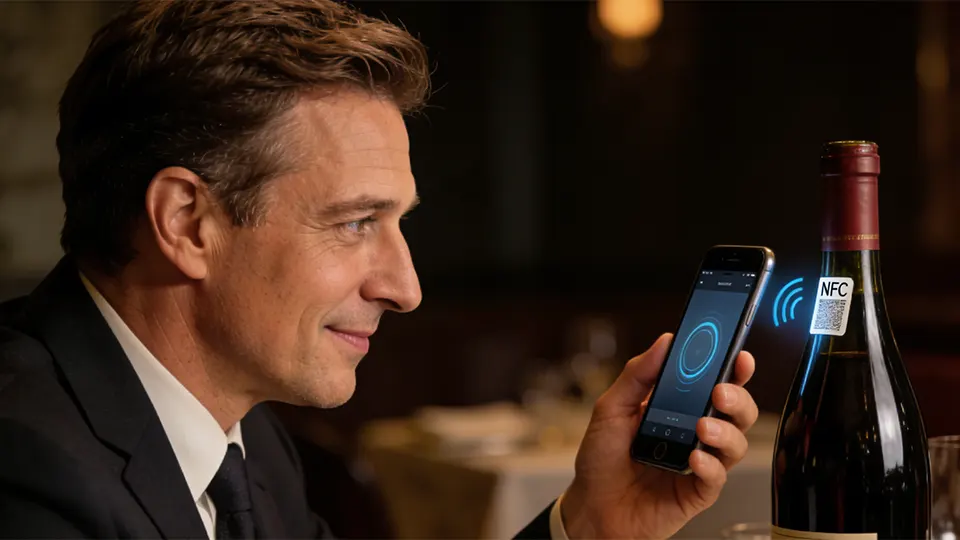
The consumer-facing moment is where NFC delivers its most visible impact. A buyer can tap the product with a smartphone and receive immediate feedback. This moment matters. It shifts authenticity from an abstract promise to a personal experience. The act of scanning reinforces the idea that the brand stands behind its product and is willing to make verification easy.
Post-purchase interactions extend the value further. Brands can monitor authentication patterns to identify suspicious activity. If a particular batch triggers unusually high numbers of failed or repeated scans, it may indicate counterfeit circulation. This early warning capability allows faster response than traditional complaint-based detection.
At the same time, NFC interactions provide insights into consumer behavior. Without compromising privacy, brands can learn where products are scanned, how often authentication is used, and which markets engage most actively. This information can inform distribution strategies, marketing decisions, and future product design.
While NFC technology offers powerful tools, success depends on careful implementation. One of the most common mistakes is treating NFC as a decorative feature rather than a security system. A poorly designed NFC solution, without encryption or backend validation, provides little real protection.
Effective deployments begin with clear objectives. Brands must decide whether their priority is basic authenticity verification, full supply chain traceability, consumer engagement, or a combination of all three. This decision influences tag selection, system architecture, and operational processes.
Layered protection remains a best practice. NFC works best when combined with physical security elements such as tamper-evident seals, controlled packaging materials, or visual indicators. Each layer increases the cost and complexity of counterfeiting, reducing its economic attractiveness.
Education is equally important. Consumers need to know that NFC authentication exists and how to use it. Clear instructions, simple user interfaces, and consistent feedback build confidence. When authentication becomes a normal part of purchasing behavior, counterfeit products struggle to circulate unnoticed.
Looking ahead, NFC is likely to become part of broader digital identity frameworks. As concepts like digital product passports gain traction, NFC can serve as the physical anchor linking tangible goods to digital records. For premium alcohol and tea, this opens possibilities such as verified secondary markets, authenticated gifting, and long-term provenance tracking.
Counterfeiting thrives in environments where verification is difficult and trust is assumed. Alcohol and tea, with their reliance on origin and reputation, are particularly exposed. NFC technology does not eliminate fraud overnight, but it fundamentally changes the balance. By giving each product a unique, verifiable digital identity, NFC makes authenticity easier to confirm and harder to fake.
More importantly, NFC turns authentication into a shared process between brands and consumers. A simple tap becomes an act of trust, supported by technology rather than appearances. In markets where authenticity defines value, that shift is not just useful—it is essential.